
⭐️⭐️⭐️⭐️⭐️
SMSF Mortgage Broker Inner West Sydney
Your SMSF Mortgage Brokers & Consultants
-
SMSF lending from specialist lenders
-
Support from structure to settlement
-
Residential and commercial SMSF loans



Specialists in SMSF property finance across Marrickville, Newtown, Croydon and surrounding suburbs

Explore SMSF mortgage options
Mortgages starting from
$350K to $5M
Purchasing property through your self-managed superannuation fund can be an effective wealth-building strategy, but it requires specialised lending knowledge and access to lenders who understand limited recourse borrowing arrangements. Whether you’re looking to acquire residential investment property, commercial premises for your business, or refinance existing SMSF debt, the right mortgage structure is critical to compliance and long-term success.
We assist SMSF trustees, accountants, and financial advisers in exploring mortgage options that meet both lending criteria and superannuation law requirements. Our approach is methodical, compliant-focused, and centred on finding workable solutions within the SMSF framework.
With access to specialist SMSF lenders, major banks with SMSF divisions, and private funders experienced in limited recourse lending, we help clients explore property finance options across Sydney’s Inner West and throughout Australia.
Specialist experience
Supporting clients with structured property finance through superannuation.
SMSF lender network
Access to specialist SMSF and property lenders.
Compliance focus
We help structure loans aligned with superannuation regulations.
Expert SMSF mortgage solutions
We manage the SMSF mortgage process on your behalf. This includes lender selection, bare trust documentation, application preparation, compliance verification, and settlement coordination. Our role is to help you explore suitable SMSF lending options while ensuring the structure meets superannuation legislation requirements.
We assist with:
-
Residential SMSF investment property loans
-
Commercial property for business use
-
Limited recourse borrowing arrangements (LRBA)
-
SMSF refinancing and debt restructuring
-
Bare trust and holding trust establishment
-
Pre-settlement SMSF structure reviews
-
Lender compliance documentation
-
Settlement coordination with solicitors and accountants
Our team works to ensure your SMSF mortgage structure aligns with your fund's investment strategy, cash flow capacity, and compliance obligations. While you focus on your superannuation strategy and property selection, we handle the lending process.
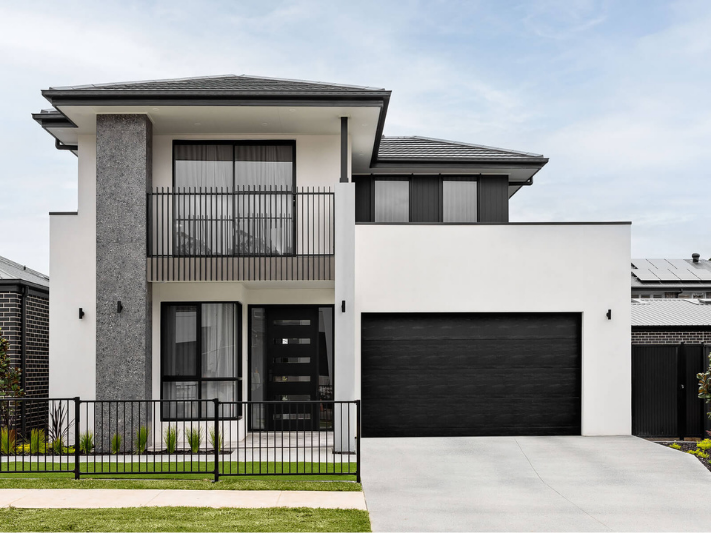
Residential SMSF Property Loans
Residential investment property remains one of the most common SMSF asset classes. These loans are structured as limited recourse arrangements, meaning the lender's security is limited to the specific property being purchased, not the other assets within your SMSF. Lenders typically require higher deposits than standard home loans—often 20-30%—and assess the fund's ability to service debt from contributions, rental income, and existing fund assets. Interest rates may be slightly higher than conventional mortgages due to the limited recourse nature. The property must be purchased solely for investment purposes and cannot be lived in by fund members or related parties. We work with lenders who understand SMSF residential lending and can assess applications based on fund financials rather than personal income. Loan terms, repayment structures, and deposit requirements vary significantly between lenders, making broker access essential for comparing genuine options.
Commercial SMSF Property Loans
Purchasing commercial property through your SMSF—particularly business premises your company operates from—can offer tax advantages and wealth accumulation benefits. These arrangements allow your business to pay rent to your super fund, building retirement wealth while potentially claiming rent as a business expense. Commercial SMSF loans follow limited recourse structures and typically require larger deposits than residential SMSF loans, often 30-35%. Lenders assess the fund's capacity to service debt, the commercial property's income potential, and the business's ability to pay market-rate rent. The property must be leased at commercial rates, and all transactions must be conducted at arm's length. We connect trustees with lenders experienced in commercial SMSF lending who understand the interplay between business operations and superannuation compliance. Documentation requirements are more extensive than residential SMSF loans, including business financials, lease agreements, and independent valuations.
Limited Recourse Borrowing Arrangements
Limited recourse borrowing arrangements (LRBAs) are the legal structure that enables SMSFs to borrow for property purchases. Under this arrangement, the property is held in a separate bare trust until the loan is fully repaid, at which point it transfers into the SMSF's name. The critical feature is that if the loan defaults, the lender can only claim the specific property held as security—not other SMSF assets. This structure must comply with strict superannuation law requirements, including that the asset must be a single acquirable asset, the loan must be used solely for that asset's purchase, and the borrowing must align with the fund's investment strategy. Not all lenders offer LRBA-compliant loans, and those that do have varying policies on loan-to-value ratios, interest rates, and serviceability assessment methods. We work with lenders who specialise in LRBA structures and coordinate with your solicitor and accountant to ensure all documentation meets legislative requirements.
SMSF Refinancing & Restructuring
Refinancing an existing SMSF loan can improve cash flow, reduce interest costs, or access equity for additional investments. However, SMSF refinancing is more complex than standard refinancing because the loan must remain a limited recourse arrangement, and any changes must comply with superannuation law. Some funds refinance to access better interest rates as their loan-to-value ratio improves, while others restructure to consolidate debt or adjust repayment terms as the fund's cash flow changes. Lenders assess refinancing applications based on current property valuations, the fund's financial position, and remaining loan term. Switching lenders requires establishing a new bare trust arrangement and transferring property title, which involves legal and compliance costs. We help trustees evaluate whether refinancing delivers genuine benefit after accounting for all costs, and we connect you with lenders who offer competitive SMSF refinancing options. Timing and documentation are critical to avoid compliance breaches during the transition.
Business Premises Through SMSF
Acquiring your business premises through your SMSF is a strategic option that allows your operating company to pay rent to your super fund, building retirement savings while maintaining business premises security. This arrangement must be structured carefully to meet both lending criteria and superannuation compliance requirements. The property must be leased to your business at commercial market rates, and all dealings must be at arm's length. Lenders assess both the SMSF's financial capacity and the business's ability to sustain rent payments, typically requiring business financials, profit and loss statements, and evidence of trading history. Deposit requirements are generally higher than residential SMSF loans, and the property must be used solely for business purposes—not mixed-use residential. We work with lenders experienced in business premises SMSF loans who understand the commercial assessment process and can evaluate applications based on business performance and fund capacity. Legal and accounting advice is essential to structure these arrangements correctly from the outset.
OUR LENDING PARTNERS
Established finance network
We work with major banks with expedited processing options, specialist lenders, and SMSF advisory specialists. This access allows us to support both standard fast-tracked applications. Everything we do is compliant.
Our lender relationships provide priority processing pathways and can support rapid decision-making.
We prioritise transparency and suitability.

Specialist broker for SMSF mortgages
Every SMSF has unique circumstances. Fund balance, contribution patterns, investment strategy, property type, and trustee structure all influence lender decisions and compliance requirements.
We provide personalised advice, realistic timelines, and clear guidance throughout the SMSF mortgage process. Our approach focuses on exploring compliant options and supporting better outcomes within superannuation law.
Apply online
Start your loan enquiry and receive priority attention from our team.
Explore options
Feel free to call us to discuss rapid funding options.
SMSF loan specialists
Dedicated brokers managing SMSF investment with compliance.
Frequently Asked Questions
If your SMSF doesn't have sufficient funds for the required deposit, you have limited options. You cannot use personal funds to contribute to the deposit beyond your annual contribution caps, and you cannot provide personal guarantees on SMSF loans due to limited recourse requirements. Some trustees make additional concessional or non-concessional contributions within allowable limits to build the deposit, while others wait until the fund accumulates sufficient balance. In some cases, if you have multiple members, combined contributions can help reach deposit requirements faster. We assess your fund's current position and help you understand realistic timeframes and options.
SMSF lenders assess serviceability differently than residential home loans. Instead of evaluating your personal income and expenses, they assess the fund's ability to service debt through rental income, ongoing contributions, and existing fund assets. Some lenders use rental income alone, while others consider projected contributions and fund cash flow. The fund must demonstrate capacity to meet loan repayments without causing liquidity issues that could breach superannuation regulations. Each lender has different serviceability calculators and assessment methods for SMSF loans, which is why comparing options through a broker with access to multiple SMSF lenders is valuable.
No. Superannuation law prohibits SMSFs from leasing residential property to related parties, which includes fund members, their relatives, and business associates. This is a strict compliance rule designed to prevent SMSFs from providing present-day benefits before retirement. If your SMSF owns residential investment property, it must be leased to unrelated tenants at market rates. Commercial property has different rules—your business can lease commercial premises from your SMSF—but residential property cannot be occupied by anyone related to fund members. Breaching this rule can result in significant penalties and potential fund disqualification. We ensure clients understand these restrictions before proceeding with SMSF property purchases.
Yes absolutely. We work with SMSF trustees across all Inner West Sydney suburbs, including Marrickville, Newtown, Leichhardt, Ashfield, Dulwich Hill, Petersham, Stanmore, Haberfield, Annandale, Rozelle, Balmain, Lilyfield, Summer Hill, and surrounding areas. SMSF lending is not location-dependent in terms of where you live—it's about the property location, fund structure, and lender appetite. We assist with SMSF property purchases throughout Sydney and Australia. Many of our clients are based in the Inner West and appreciate working with a broker who understands the local property market, typical property values, and rental yields in these suburbs when structuring SMSF loans.
When a trustee wants to exit an SMSF that has an active property loan, the situation becomes complex. The departing member's benefit must be paid out, but the property is held in a bare trust and cannot be easily divided. Options include the remaining members buying out the departing member's interest, refinancing the loan to adjust ownership proportions, selling the property and distributing proceeds, or rolling the departing member's balance to another super fund while they remain a member until the property is sold. Each option has tax, legal, and lending implications. Some lenders allow loan restructures when membership changes, while others may require full refinancing. We work with trustees, accountants, and solicitors to explore workable solutions when membership changes occur during an active SMSF loan.
SMSF mortgage approvals generally take longer than standard home loans due to additional compliance documentation and lender assessment processes. While a standard home loan might be approved in 3-7 days, SMSF loans typically take 2-4 weeks, sometimes longer if documentation is incomplete or the fund structure is complex. Lenders need to review the SMSF trust deed, investment strategy, fund financials, bare trust documentation, and compliance history. If the bare trust needs to be established or the investment strategy requires updating, this adds time. We help expedite the process by ensuring all documentation is prepared correctly before submission and by working with lenders who have efficient SMSF assessment processes. Setting realistic timeframes is important when making property offers.
Releasing equity from an existing SMSF property to fund another purchase is complex and subject to strict rules. Your SMSF can refinance to access equity, but the borrowed funds must be used to acquire a single acquirable asset through a separate limited recourse borrowing arrangement. You cannot use one LRBA to purchase multiple properties simultaneously. Some trustees refinance one property and use the released equity as a deposit for a second property under a new LRBA, but this requires the fund to have sufficient cash flow to service multiple loans. Lenders assess the fund's total debt servicing capacity across all borrowings. We help trustees understand whether their fund can support multiple property loans and structure arrangements that remain compliant with superannuation law.
Your accountant typically needs to provide the SMSF's financial statements for the past two years, the fund's investment strategy, evidence that the property purchase aligns with that strategy, confirmation of the fund's current balance and liquidity position, and a letter confirming the fund is compliant with superannuation regulations. Some lenders also require the SMSF trust deed, member statements, and projected cash flow statements showing the fund can service the loan. If the fund is newly established, requirements differ—lenders may assess based on projected contributions and member balances. We provide your accountant with a specific documentation checklist based on the lender's requirements, which streamlines the application process and reduces back-and-forth requests.
SMSF mortgage interest rates are typically 0.3% to 0.8% higher than standard residential home loan rates due to the limited recourse nature of the lending and the additional complexity for lenders. However, rates vary significantly between lenders, and some specialist SMSF lenders offer competitive pricing. Both variable and fixed rate options are available, though fixed rate terms and conditions differ from standard home loans. Some lenders offer fixed periods of 1-5 years, while others only offer variable rates for SMSF loans. The choice between fixed and variable depends on your fund's cash flow predictability, interest rate outlook, and risk tolerance. We compare rates across multiple SMSF lenders to find competitive options that suit your fund's circumstances.
If your SMSF faces difficulty meeting loan repayments—due to rental vacancy, reduced contributions, or unexpected expenses—you need to act quickly. Unlike personal loans, you cannot provide personal funds to cover shortfalls beyond contribution caps, and you cannot guarantee the loan personally. Options include making additional contributions within allowable limits, using other fund assets to meet repayments, negotiating temporary repayment arrangements with the lender, or in serious cases, selling the property. Because the loan is limited recourse, the lender can only claim the specific property if you default—not other fund assets—but default still has serious consequences including potential fund compliance issues. We recommend maintaining adequate cash reserves within the fund and stress-testing serviceability before taking on SMSF debt. If difficulties arise, early communication with your lender and advisers is critical. Call us today to discuss any concerns you may have.