

Stalled site? An indicative answer on completion funding, usually within 2 business days.
- Indicative assessment within 2 business days, settlement typically 2 to 8 weeks
- Loans from $200K to $20M, sized on cost to complete and the finished value
- Developers, investors and commercial owners of multi-unit, mixed-use and commercial projects
- Builder collapse, cost overruns, a facility that has run out, and a new builder to engage
- Full-doc (tax returns), low-doc or alt-doc (BAS, bank statements or an accountant's letter instead) and no-doc options across our 90+ lender panel
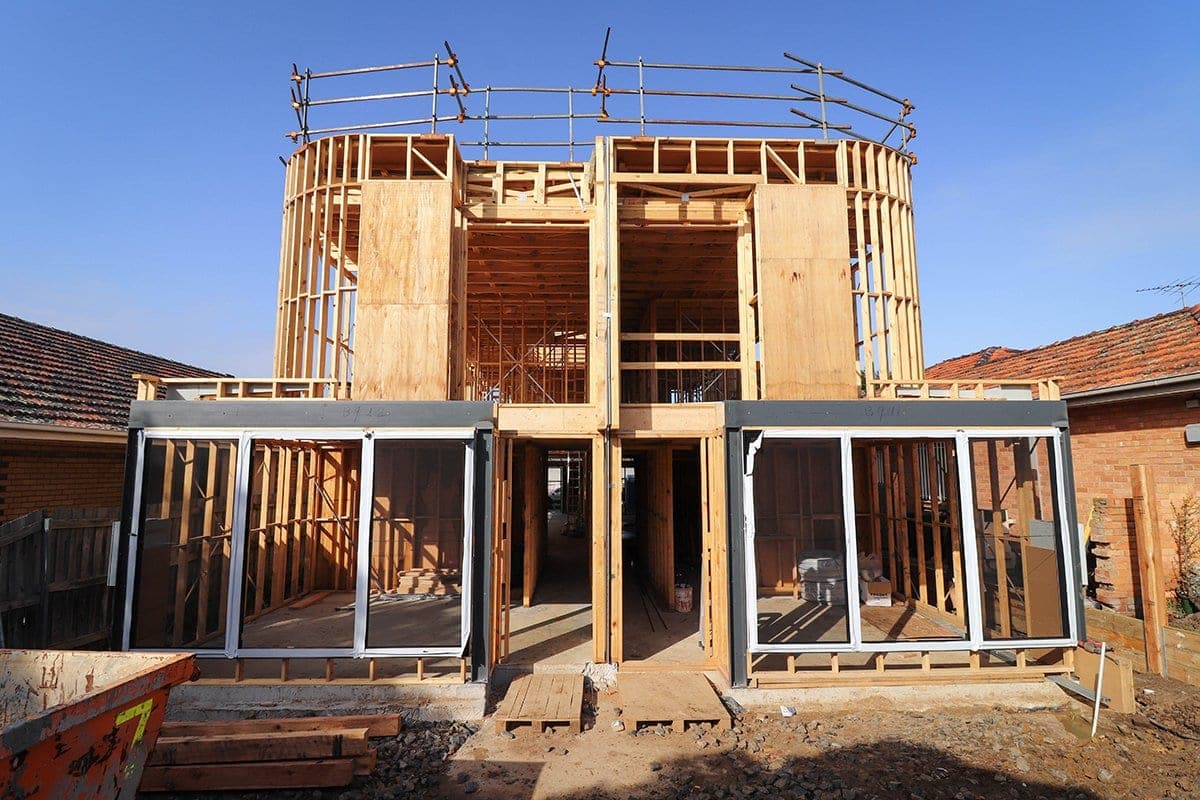
The builder is gone. The slab, frame and deadline are still yours. Or the builder is still on site, but the costs have run past what the facility will pay. Either way, the project has to be finished before it can be sold, leased or refinanced. Construction completion finance funds the work that is left. It can sit behind your existing lender as a top-up, or replace that lender with one facility sized to finish the job. Lenders assess it on a fresh cost-to-complete report, a new builder and the value of the finished project. Joseph Farhat and his team can help you work out which path fits your site, and give you an honest early answer on what is fundable.
Who we can help access finance
- Developers whose builder has stopped work part way through a townhouse, unit or mixed-use project.
- Owners of a commercial building, such as a warehouse, office or retail space, left unfinished when the head contractor left site.
- Developers whose costs have overrun past the facility limit, with the existing lender unwilling to increase it.
- Investors holding a multi-unit project to rent, who need it finished before the long-term loan can settle.
- Owners who have a new builder ready to quote, and need funding confirmed before that builder will sign.
- Developers whose construction facility has expired or is close to its end date with the build incomplete.
- Borrowers with presale buyers waiting on a sunset date, where finishing on time protects the contracts.
How Construction Completion Finance Works
Everything starts with a cost-to-complete report. An independent quantity surveyor inspects the site and sets out what has been built, what is left, what the remaining work will cost at current prices, and a contingency for defects found along the way. A valuer then confirms what the project will be worth once finished. Lenders size the facility against both figures. The loan-to-value ratio (LVR), the loan as a share of the property's value, is measured against the finished value. The new builder contract, at a fixed price where possible, ties the numbers together.
There are two main structures. A top-up sits behind the existing lender as a second-ranking facility, and the first lender usually needs to consent to it. A refinance pays out the existing lender in full and replaces it with one facility that covers the balance owing plus the cost to complete. Some existing lenders will also consider varying their own facility once a new builder and a fresh report are in place. Which structure works depends on the existing loan terms, the equity left in the project, and how much time the facility has to run. Joseph Farhat and his team review the report, the existing facility and the new contract, match the project to the right lender from the 90+ panel, and manage the application through to the first draw.
Speed matters on a stalled site for practical reasons. An unfinished structure is exposed to weather. An empty site needs fencing and security. Interest and holding costs keep running while nothing is being built. Insurance claims and any legal action against the original builder run on a separate track, often for months, and the finance is assessed on the project rather than on the outcome of a claim. We are a finance broker, not a lawyer. Speak to your lawyer about the original building contract before a new builder is engaged.
What Lenders Assess for Construction Completion Finance
Cost to complete
The new builder
On-completion value
Equity left in the project
The existing facility
Condition of the work done
The exit
The Construction Completion Finance Process: What to Expect
- Talk to Joseph Farhat and his team about the project, where the build stopped, and what the existing lender has said. You will get an honest read on whether completion funding is realistic, including if the numbers are too tight.
- Provide the basics: the existing loan statement and facility terms, the plans and approvals, any new builder quote or contract, recent photos, and a cost-to-complete report if one exists. We can tell you what the lender will need if it does not.
- We match the project to the lenders on the panel most likely to fund it, as a top-up, a refinance or a combination. Appetite for stalled projects is narrower than for a fresh build, so this step decides most outcomes.
- The lender orders its own valuation and quantity surveyor review, then issues an approval setting out the limit, rate, structure, drawdown schedule and conditions. We go through it with you before you sign anything.
- The facility settles, the existing lender is paid out or consents, and the new builder returns to site. Funds are released in progress draws against surveyor certification through to completion, then sales or the long-term refinance repay the loan.
Indicative Finance Options
| Lender Type | Indicative Rate | Max LVR | Typical Loan Range | Loan Term | Key Consideration |
|---|---|---|---|---|---|
| Bank | Rarely funds a stalled project as a new lender. An existing bank lender may consider varying its own facility once a new builder is engaged. | ||||
| Non-Bank Lenders | From ~9.5% p.a. | Up to 65% of on-completion value | $200K to $20M | 6 to 24 months | Full refinance or second-ranking top-up; alt-doc and low-doc options |
| Private Finance | From ~1.1% per month | Up to 70% of on-completion value | $500K to $20M | 3 to 18 months | Available for unique scenarios |
Indicative figures only. Actual rates and terms depend on your project, financial position, property location, and lender assessment at the time of application. Rates are subject to change.

























